Environmental Health

Early Child Development & Learning in Deprived Urban Environment Influence of Pollution (ECD-Urban Pollution)

The ECD Urban Pollution Study is a longitudinal cohort study designed to investigate how environmental pollutants such as lead (Pb) and PM2.5, and other modifiable risk factors influence early child development among preschool children living in low-income urban communities in Patna, Bihar, India. The project was initiated in response to growing evidence that children in low- and middle-income countries face high levels of exposure to environmental hazards while context-specific data on their impact on cognitive, socio-emotional, and school readiness outcomes remain limited. The study addresses this critical evidence gap by examining the combined role of environmental exposures, nutritional status, and household social determinants on children’s development. A cohort of preschool-aged children has been followed over time with detailed assessments of blood lead concentrations, child development, executive function, nutrition, and family characteristics. Findings from the study aim to inform public health policies and interventions to reduce environmental risks and improve developmental outcomes. The primary beneficiaries include children and families living in vulnerable urban settings, as well as policymakers, public health practitioners, educators, and researchers working in child health, environmental health, and early childhood development. 
PROJECT EXECUTION

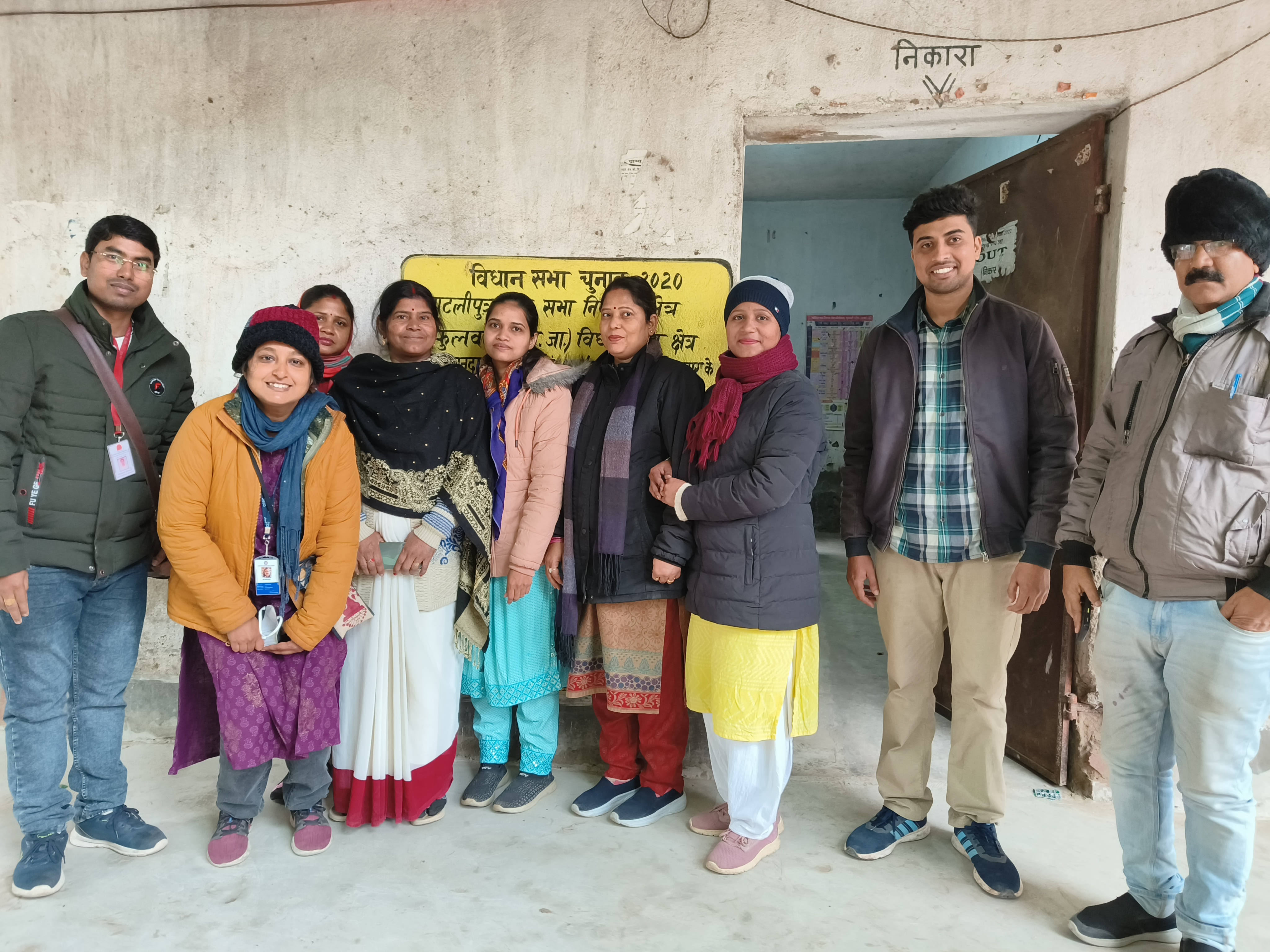
The ECD Urban Pollution Study is a community-based longitudinal cohort study conducted among 522 preschool children enrolled across 62 preschools (public Anganwadi centres and low-cost private preschools) in four neighborhoods of Patna, Bihar. Children were recruited at 3.5–5.5 years of age and followed prospectively with repeated assessments of environmental exposures and developmental outcomes. The study employed standardized protocols for measuring blood lead concentrations, anthropometry, haemoglobin, executive function, and school readiness using the International Development and Early Learning Assessment (IDELA). Five field investigators underwent intensive training and certification in child assessments, biological sample collection, anthropometric measurements, and electronic data capture to ensure high-quality and standardized data collection. Data were collected using digital platforms with built-in quality assurance checks, enabling secure data management and real-time monitoring. Community engagement was central to the project, with partnerships established with preschools, caregivers, local health workers, and community leaders to support participant recruitment, retention, and dissemination of study findings. Research activities included longitudinal follow-up visits, environmental and biological exposure assessments, developmental testing, and advanced statistical analyses to identify modifiable risk factors. Findings are intended to inform evidence-based interventions and policies that promote healthier environments and improve developmental outcomes for children living in resource-constrained urban settings. 

Slide
Slide

IMPACT

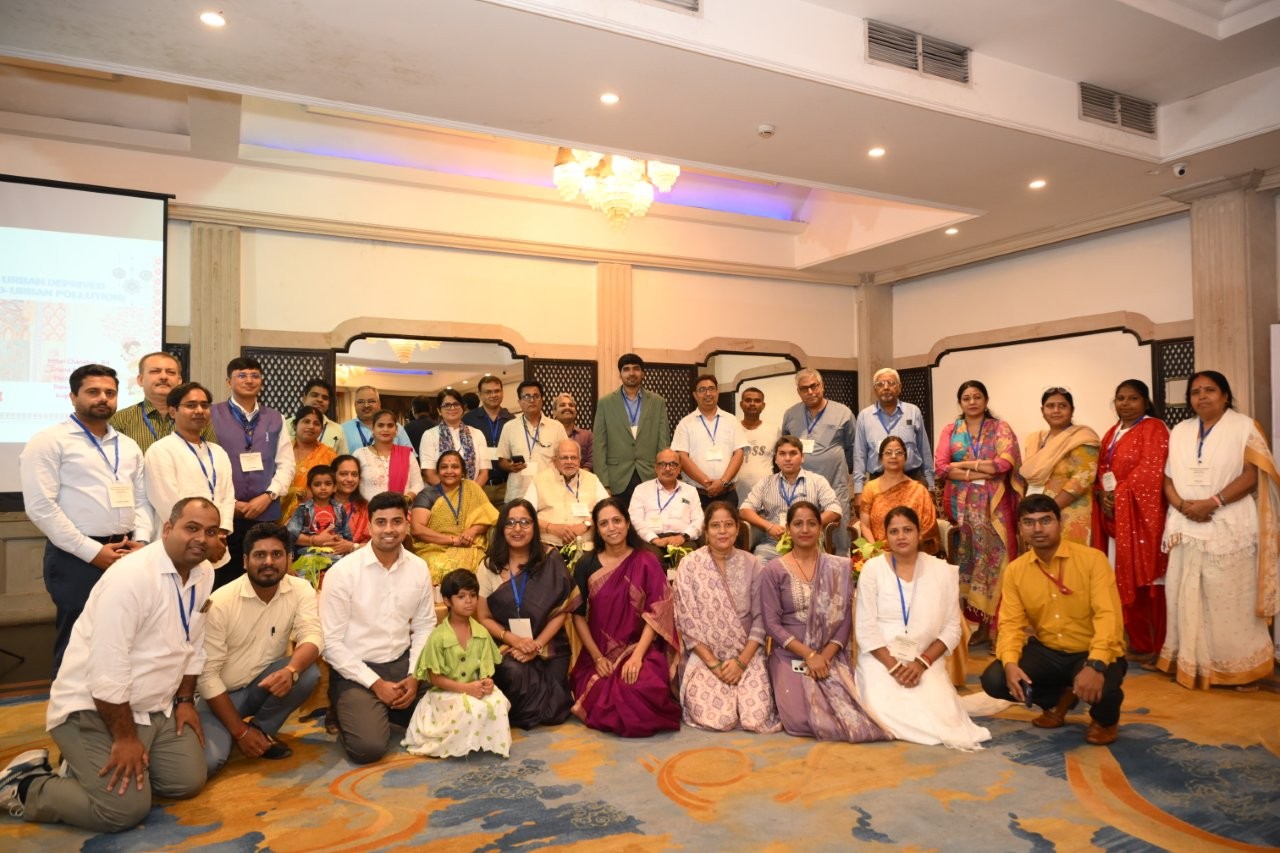
The project has generated evidence demonstrating the high burden of childhood lead exposure and its association with school readiness, with findings disseminated through scientific conference presentations and peer-reviewed publications (one is under-review, and several under process). The findings have been shared with local stakeholders in Patna. In addition to advancing scientific knowledge, the study has strengthened local research capacity by training field investigators in child developmental assessments, anthropometry, biological sample collection, and electronic data capture. Our findings indicate that policies and programmes that simultaneously reduce environmental exposure and improve child nutrition may yield greater developmental benefits than addressing either risk factor in isolation. Integrating environmental health into early childhood development and nutrition programmes may be particularly important in low- and middle-income countries undergoing rapid urbanisation and environmental change. 

Centre for Chronic Disease Control © 2026 All rights reserved.