Environmental Health

FUSION (Floods, Understanding Climate change and Non-communicable diseases)(December 2024‑December 2029)

FUSION (Floods, Understanding Climate Change and NCDs) is a multi-year research and implementation project focused on strengthening the resilience of health systems and communities to the impact of floods and climate-related disasters on non-communicable diseases (NCDs). The project was initiated in response to the increasing frequency and severity of climate-related events and the recognition that disruptions caused by floods can significantly affect the continuity of care for people living with chronic conditions such as diabetes, hypertension and cardiovascular disease. 

Floods can interrupt access to health facilities, medicines, and diagnostics while disrupting routine follow-up and self-management. These challenges can disproportionately affect vulnerable populations. FUSION therefore seeks to understand how health systems and communities currently respond to these disruptions and to co-develop, implement and evaluate practical solutions that strengthen NCD preparedness and continuity of care during disasters. 

The project works across Bihar, engaging communities, frontline health workers, healthcare providers, policymakers and disaster-management stakeholders. Its ultimate aim is to develop evidence-based, scalable approaches that integrate climate and disaster preparedness into routine NCD care. 
PROJECT EXECUTION

  • Research design: A mixed-methods approach combining situation analysis, qualitative research, stakeholder engagement, intervention co-development, implementation and evaluation. 
  • Geographic focus: Implementation and research activities are being undertaken in Bihar, representing different flood and health-system contexts. 
  • Situation analysis: Research examines how floods affect NCD prevention, treatment, medication access, follow-up and continuity of care. 
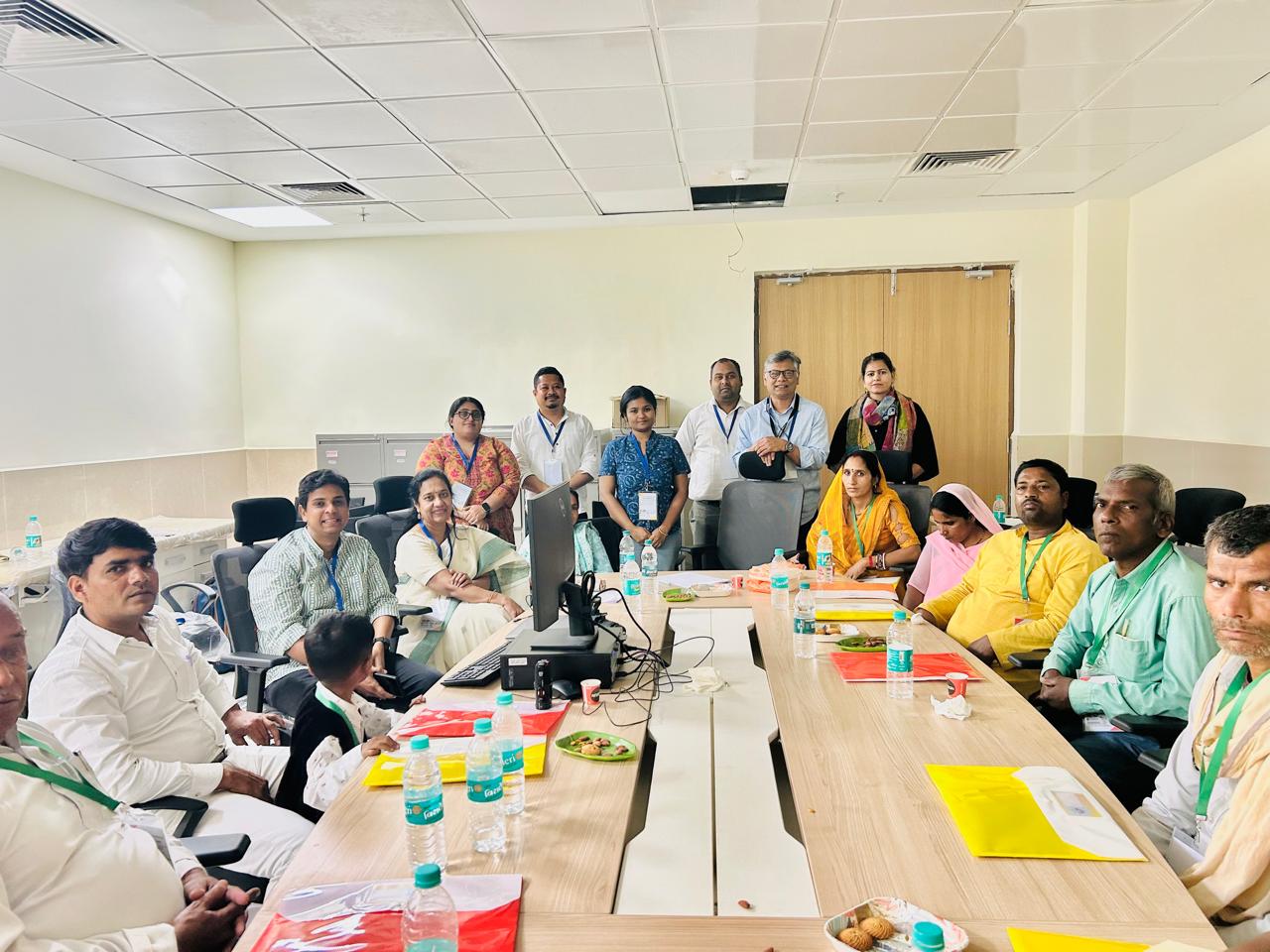
  • Community engagement: Communities, patients, families and frontline workers are engaged to identify locally relevant barriers and feasible solutions. 
  • Theory of Change: Stakeholders are brought together to map pathways from proposed interventions to improved NCD resilience and health outcomes. 
  • Stakeholder engagement: Consultations and workshops bring together health, disaster-management, academic, community and implementation partners. 
  • Co-development: Potential interventions include strengthening ASHA-led support, prescription and medicine-refill management, public–private engagement, improved coordination between health and disaster-management systems, and alignment of existing disease programmes. 
  • Implementation: Promising interventions will be tested in real-world settings and refined using implementation evidence and stakeholder feedback. 
  • Knowledge translation: Findings are translated into practical tools, communication materials, training approaches and recommendations for health-system and policy stakeholders. 
Slide
Slide

IMPACT

  • Geographic coverage: 1 state — Bihar. 
  • Project duration: 2024–2029, enabling research, co-development, implementation and evaluation over multiple phases. 
  • Stakeholder engagement: National and state-level engagement involving health-system, disaster-management, academic, community and implementation stakeholders. 
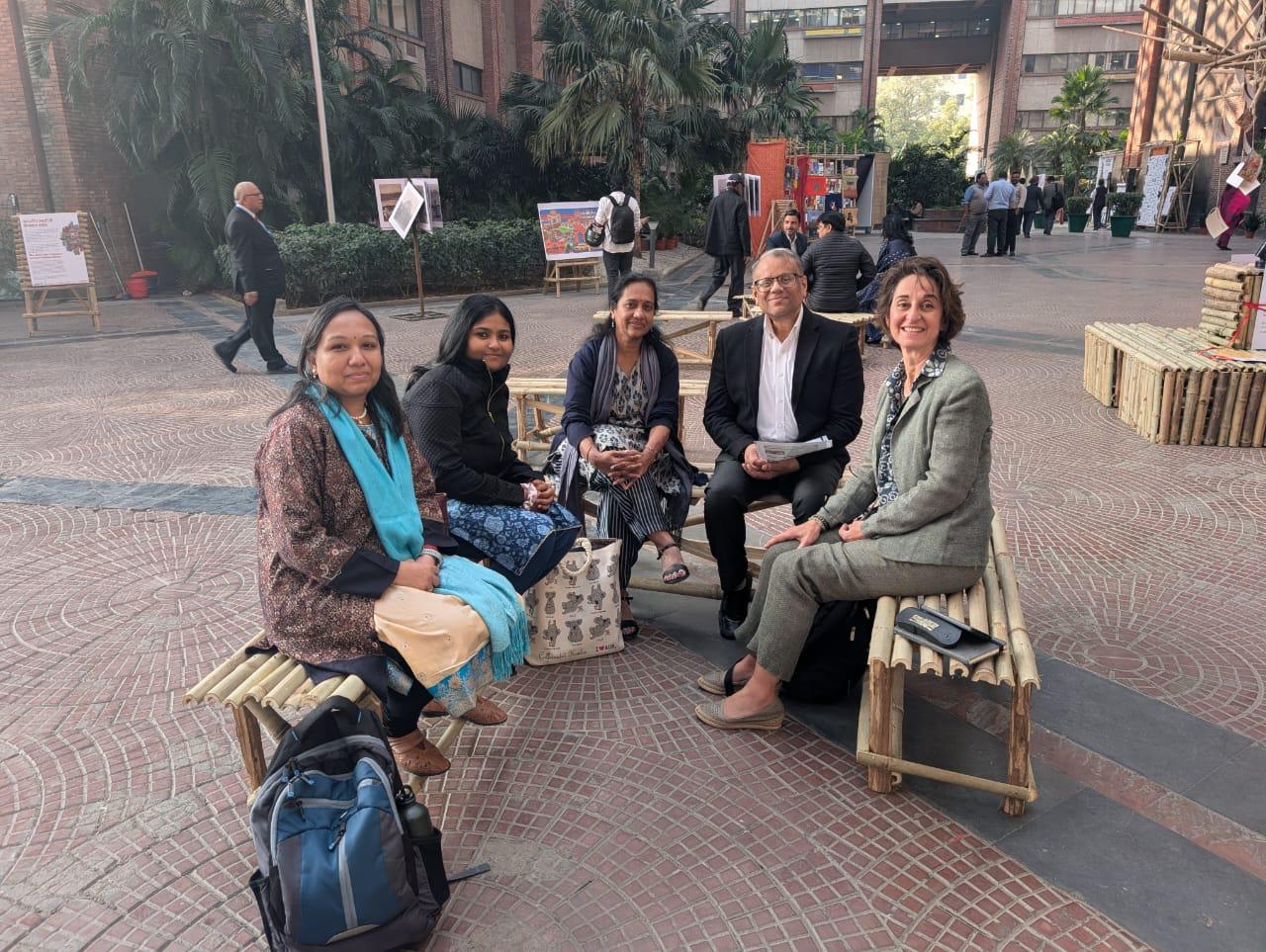
  • Major engagement activity: A National Stakeholder Workshop was conducted in New Delhi to bring together key stakeholders around climate-resilient NCD care. 
  • Research outputs: Mixed-methods evidence on the effects of floods on NCD care and health-system preparedness. 
  • Co-development outputs: Theory of Change and stakeholder-informed intervention pathways for strengthening NCD resilience. 
  • Community-focused outputs: Development of communication and engagement approaches including the “ASHAs Lead, Patients Ask, Families Support” campaign concept and community-oriented NCD resilience activities. 
  • Implementation outputs: Development and testing of practical interventions to strengthen continuity of NCD care during and after flood events. 
  • Potential impact: The project aims to provide a scalable model for integrating climate resilience and disaster preparedness into routine NCD services, with lessons applicable to other climate-vulnerable regions in India. 

Centre for Chronic Disease Control © 2026 All rights reserved.