Digital Health Healthcare Inclusivity

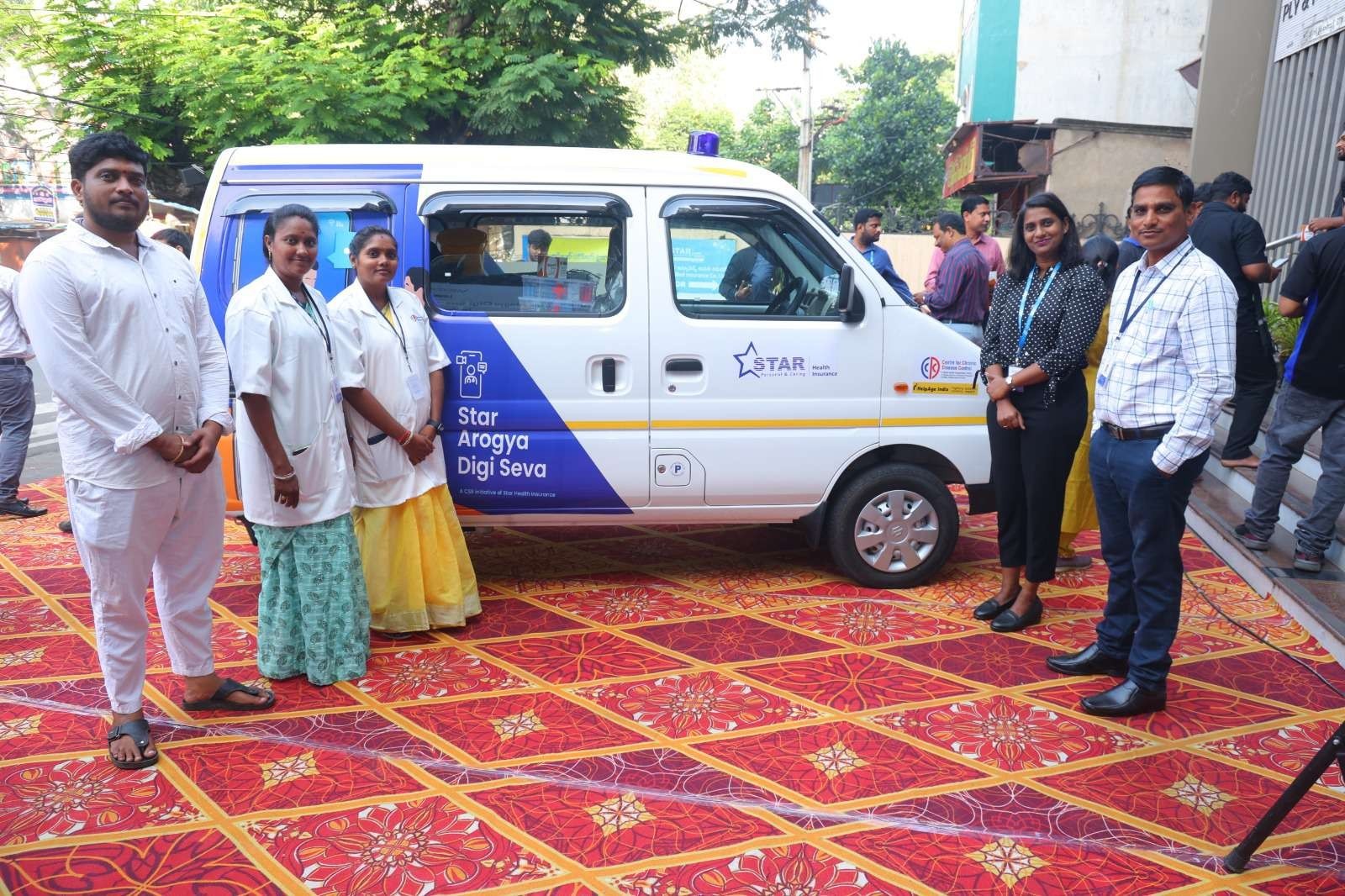
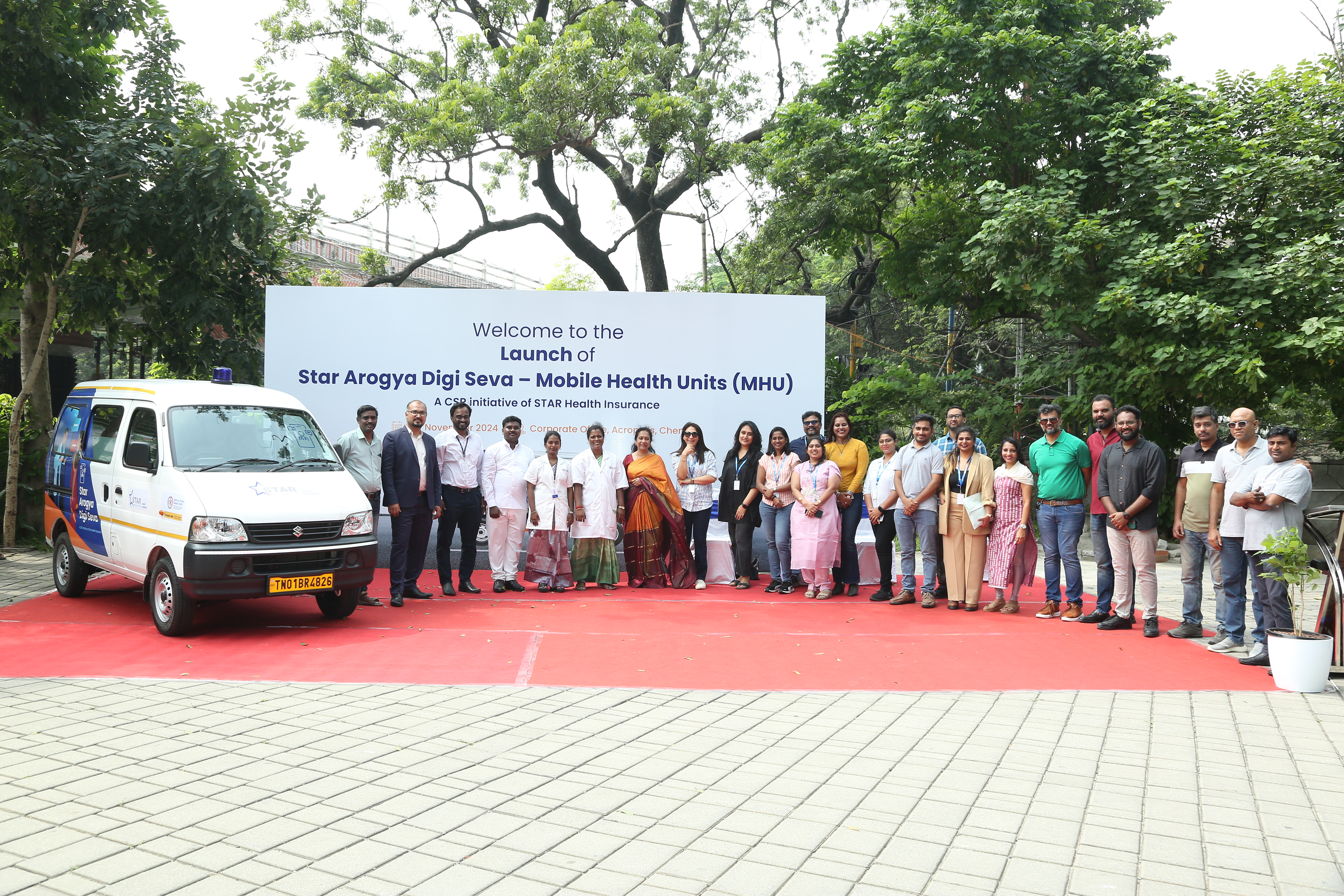
Star Arogya DigiSeva Mobile Health Units(MHUs)

The Star Arogya DigiSeva Program is a transformative healthcare initiative aimed at bridging the gap between underserved communities and quality healthcare services through technology-driven mobile health units (MHUs). By integrating DigiSetu, an advanced telemedicine and digital health platform, the program enhances accessibility to medical consultations, diagnostics, and treatment in remote areas.

Key Features of the Program:

  • Deployment of DigiSetu in MHUs: Facilitating real-time teleconsultations with doctors.
  • Comprehensive Digital Health Records: Secure and structured patient data management for better continuity of care.
  • Integrated Diagnostic Tools: Portable ECG devices, Point-of-Care (POC) diagnostic devices, and digital stethoscopes for on-the-spot screenings.
  • M-Power CDSS Support: AI-driven Clinical Decision Support System (CDSS) aiding healthcare workers in delivering evidence-based care.
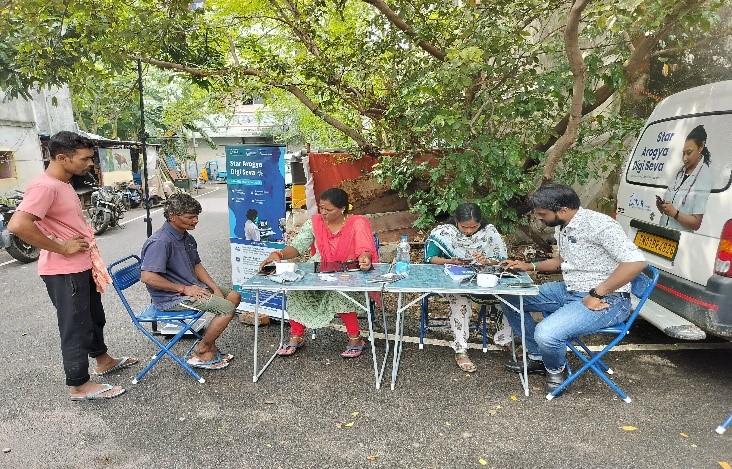
  • Community Health Engagement: Regular health camps, awareness sessions, and preventive care initiatives.
PROJECT LEADS

Prof. Dorairaj Prabhakaran

Executive Director, Centre for Chronic Disease Control (CCDC)

Dr Arun P Jose

Deputy Director & Head - BRIDGE Centre for Digital Health

Dr Anshika Sharma 

BRIDGE Centre for Digital Health

Mr Nikki Pandey

BRIDGE Centre for Digital Health

PROJECT EXECUTION

Current Deployment:

  • Successfully implemented in 5 Mobile Health Units (MHUs) across targeted regions.
  • Location: Tamil Nadu- Chennai, Manaparai, Ramnatahpuram and in Andhra Pradesh-  Simhadri and Rajam

Community Outreach Interventions:

To improve general health literacy and well-being within the communities, the following interventions have been done:

  • Creation of Ayushman Bharat Health Account (ABHA) ID: We generate the ABHA for patients, ensuring that their health records are digitized and easily accessible for continuity of care.
  • Medical camps and screening programs: The MHUs organize regular medical camps and screening programs, offering basic health check-ups to monitor vital indicators such as blood pressure, blood sugar levels, and body mass index (BMI). They also conduct specialized screenings for conditions like diabetes and hypertension. Preventive care services are emphasized, including raising awareness about hygiene practices, encouraging healthy lifestyle habits, and promoting regular health check-ups. These initiatives help ensure the community remains healthy and stays protected against both infectious and chronic diseases. 
  • Community engagement activity: Actively partner with local leaders, panchayat members, and religious organizations, engaging them in community mobilization efforts. Local NGOs and healthcare providers involved to conduct specialist camps, manage patient transfers, and facilitate timely referrals to higher centres. By collaborating with these stakeholders, we aim to garner their support and organize outreach activities tailored to the specific needs of the community.
Slide

IMPACT

The Star Arogya Digi Seva project has demonstrated significant progress in improving healthcare access and digital health literacy among underserved populations. By incorporating telemedicine, the project has addressed key barriers such as cost, distance, and availability of specialists. Patient satisfaction rates highlight the value of assisted telemedicine services, while the care cascade for hypertension has shown improvements in medication adherence and treatment continuity.

Impact in Numbers:

  • Number of Beneficiaries Reached: 1,745 households surveyed, with 10% of MHU patients interviewed for detailed insights.
  • Digital Health Readiness:
    • 6% of households have smartphones.
    • 98% of households have internet access.
    • 90% demonstrate digital literacy, creating a foundation for future digital health interventions.
  • Healthcare Utilization:
    • 3% of respondents use public health facilities; however, only 14% utilize MHUs, indicating potential for growth.
    • 40% report barriers to accessing specialists, with 44.5% citing diagnostic costs as a challenge.
  • Hypertension Care Cascade:
    • 80% medication adherence.
    • 25% delay follow-up visits due to cost and logistical barriers
    • Cost of medication was reported as a major barrier to medication adherence
    • Most patients with hypertension paid from their savings or had to ask family members for support to pay for their treatment (70%)
    • Self reported adherence to medication was high (80%)

Centre for Chronic Disease Control © 2025 All rights reserved.