Capacity Building

Cancer Research in India: Population, Clinical and Basic Data Sciences

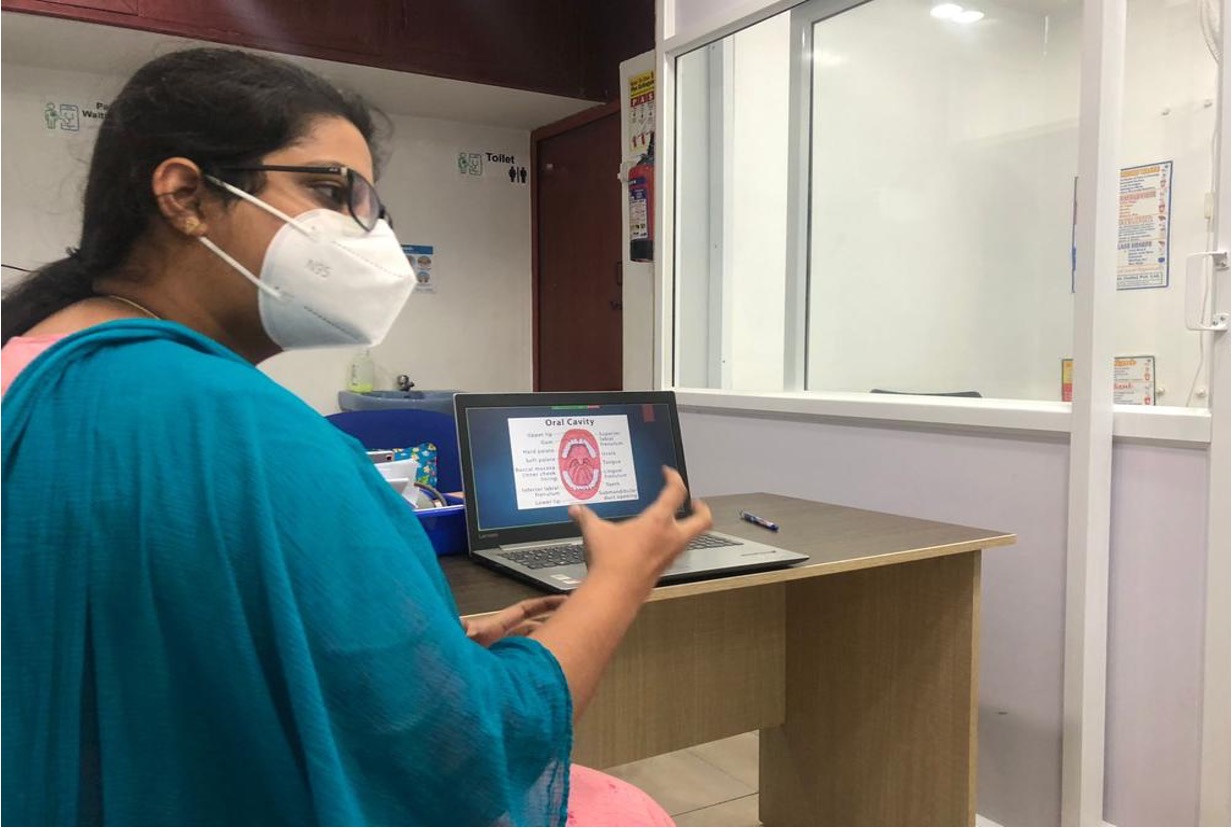
The Cancer Research in India digital course provides skill-based training opportunities related to the collection and management of population, clinical, and basic science data for cancer research in India. This e-course was conducted for 9 months between October 2021 and June 2022. 

The primary objectives of the e-course were:

  1. To train candidates in fundamental understanding of population data related to research ethics, cancer epidemiology, surveillance, cancer registries, and data linkages
  2. To provide a foundation for specialized training in data linkages and clinical electronic data records
  3. To build capacity in big data omics for basic sciences using genomic and epigenomic data. 

Course Coordinators & Faculty

Dr. Krithiga Shridhar, MDS, MSc, Centre for Chronic Disease Control, New Delhi.

Dr.Aastha Aggrawal, PhD, Public Health Foundation of India

Program Facilitator

Dr. Steena Kuriakose, BDS, MPH, Centre for Chronic Disease Control, New Delhi

Faculty Advisors

Prof. D. Prabhakaran, MD, DM, MSc. Executive Director, Centre for Chronic Disease Control, New Delhi.

Prof. Michael Goodman, MD, MPH, Professor (Epidemiology), Emory University, USA

Prof.Theresa W. Gillespie, PhD, Associate Director, Community Outreach and Engagement, Emory University, USA.

Guest Faculty

Dr. Preet Dhillon, MPH, PhD, Centre for Chronic Disease Control, New Delhi.

Prof. Shifalika Goenka, MBBS, PhD, Centre for Chronic Disease Control, New Delhi  

Dr. Courtney McCracken, PhD, Kaiser Permanente Mid-Atlantic States, USA.

Mr. Scott Gillespie, MS, MSPH, Pediatric Biostatistics core, Emory University, USA

PROJECT EXECUTION

This course, offered at no cost to registered candidates, centered on cancer epidemiology with a global perspective, emphasizing LMIC and India-related concerns. It covered diverse aspects, including molecular elements, risk factors, and health promotion.

The curriculum was structured into core modules accessible to all candidates. These included essential topics like research ethics, an overview of cancer epidemiology, understanding the global and India-specific cancer burden, cancer registries, survival rates, and cancer data connections. Additionally, it provided insights into molecular cancer mechanisms, risk factors influencing cancer onset and progression (such as lifestyle, environment, and genetic susceptibility), public health strategies for cancer prevention, and effective science communication in cancer research.

Additionally, the course tailored specific, mentored training modules for selected candidates, delving into specialized data analytics. These focused modules covered training in data linkage and management software, electronic medical records, clinical decision support systems, fundamentals of machine learning algorithms, and navigation of the cancer genome atlas database.

Slide
Slide
Slide
Slide

IMPACT

We aimed to train dedicated scientists primarily from Indian institutions. We successfully trained 66 candidates in the core modules and an additional 13 candidates in the focused modules. These participants comprised researchers, faculty members, and postgraduate students specializing in Public Health, Epidemiology, Medicine, Dentistry, and Clinical Research, with 77% of the candidates being female.

Lessons Learned

1. Structured program modules for cancer epidemiology and fundamentals of data sciences

2. Online mode of delivery accommodating the challenges due to COVID pandemic.

3. Flexibility in customizing curriculum based on individualized mentoring requirements.

4. Monitored official interaction and discussion forums.

5. Setting up a platform for future follow-up activities.

Centre for Chronic Disease Control © 2026 All rights reserved.