Food systems (e.g., the production, marketing, transformation, and purchase of food, as well as consumer practices, resources, and institutions involved in these processes), are changing rapidly and influencing population health (e.g., nutrition) and their environment (e.g., water resources). At the same time, environmental change is affecting the ability of food systems to produce nutritious foods sustainably and equitably. Our ability to plan sustainable, equitable, and healthy food systems for the future requires the integration of methods from distinct disciplines, innovation in analytical approaches, and inter-sectoral policy analysis and scenario modeling. This was the primary aim of the SHEFS project. It aimed to provide policymakers with novel, interdisciplinary research evidence to define future food systems policies that deliver nutritious and healthy foods sustainably and equitably
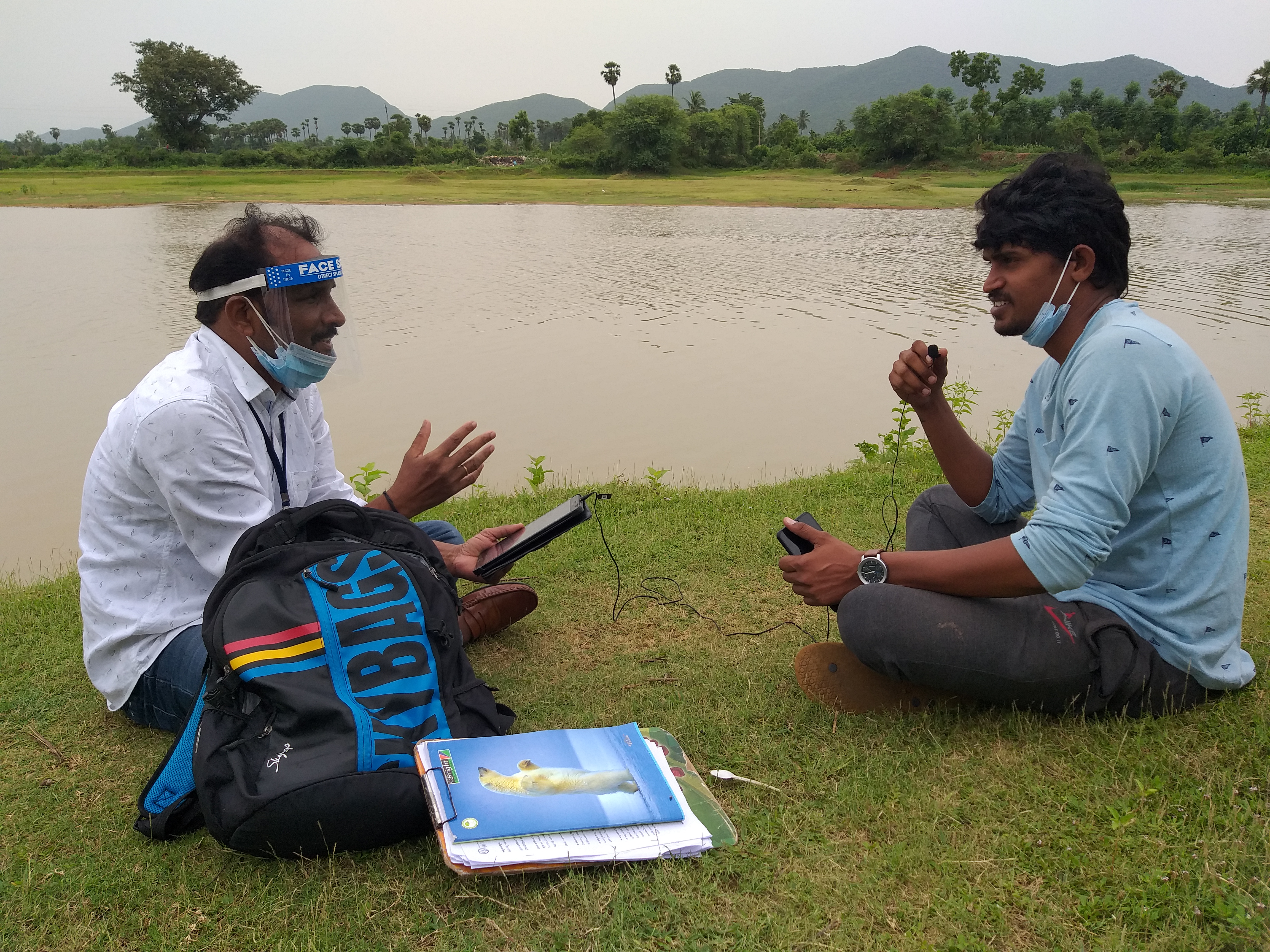
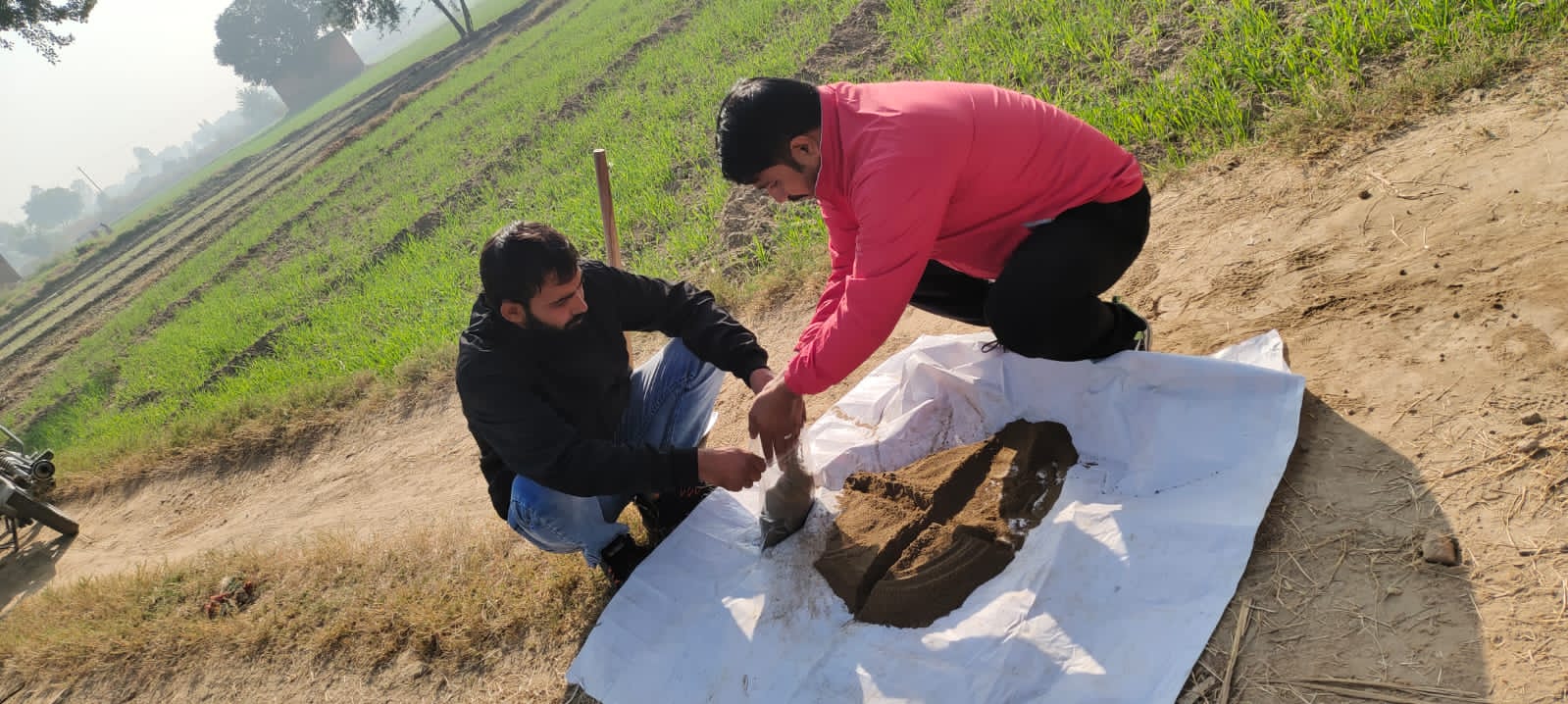
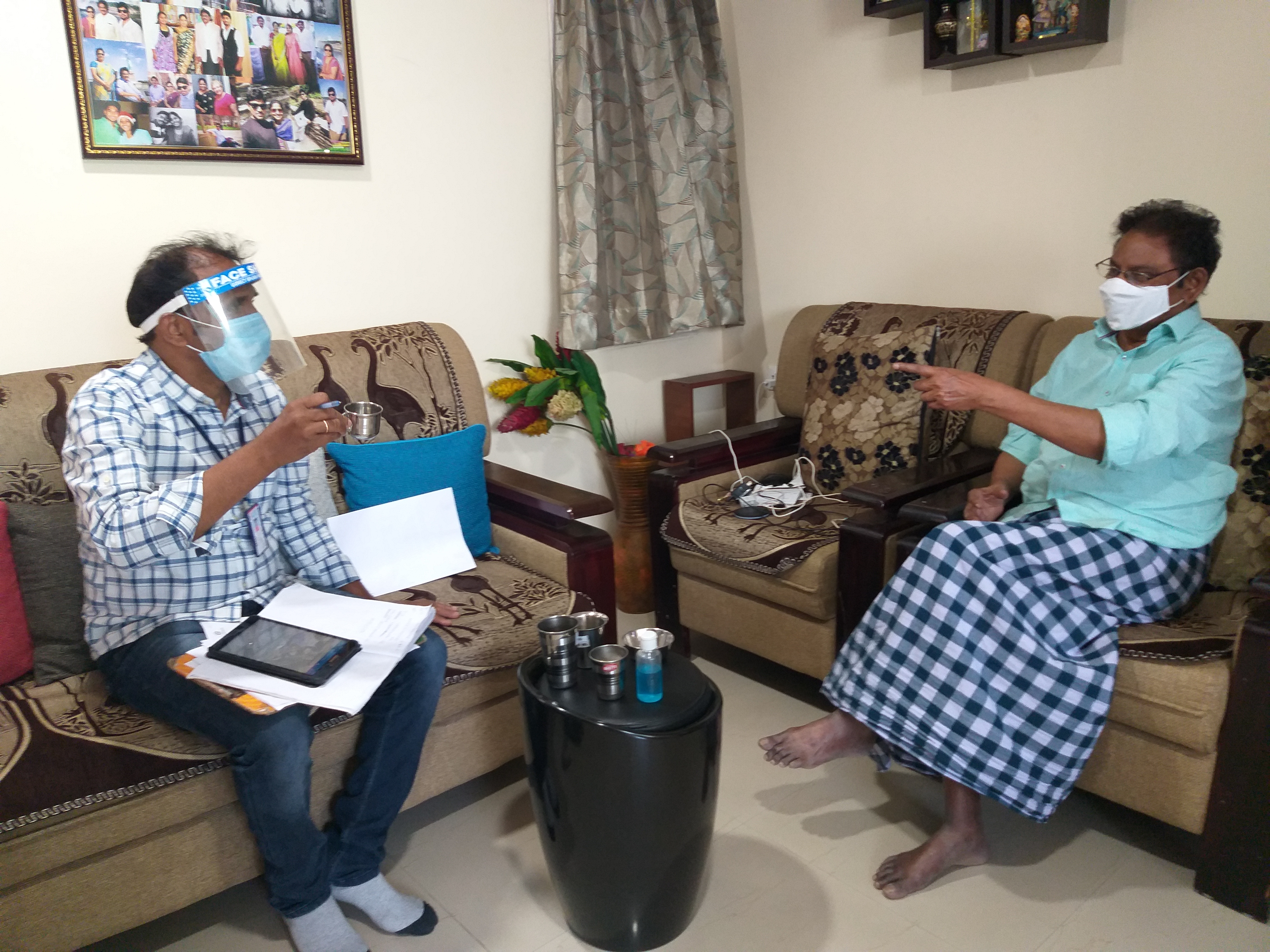
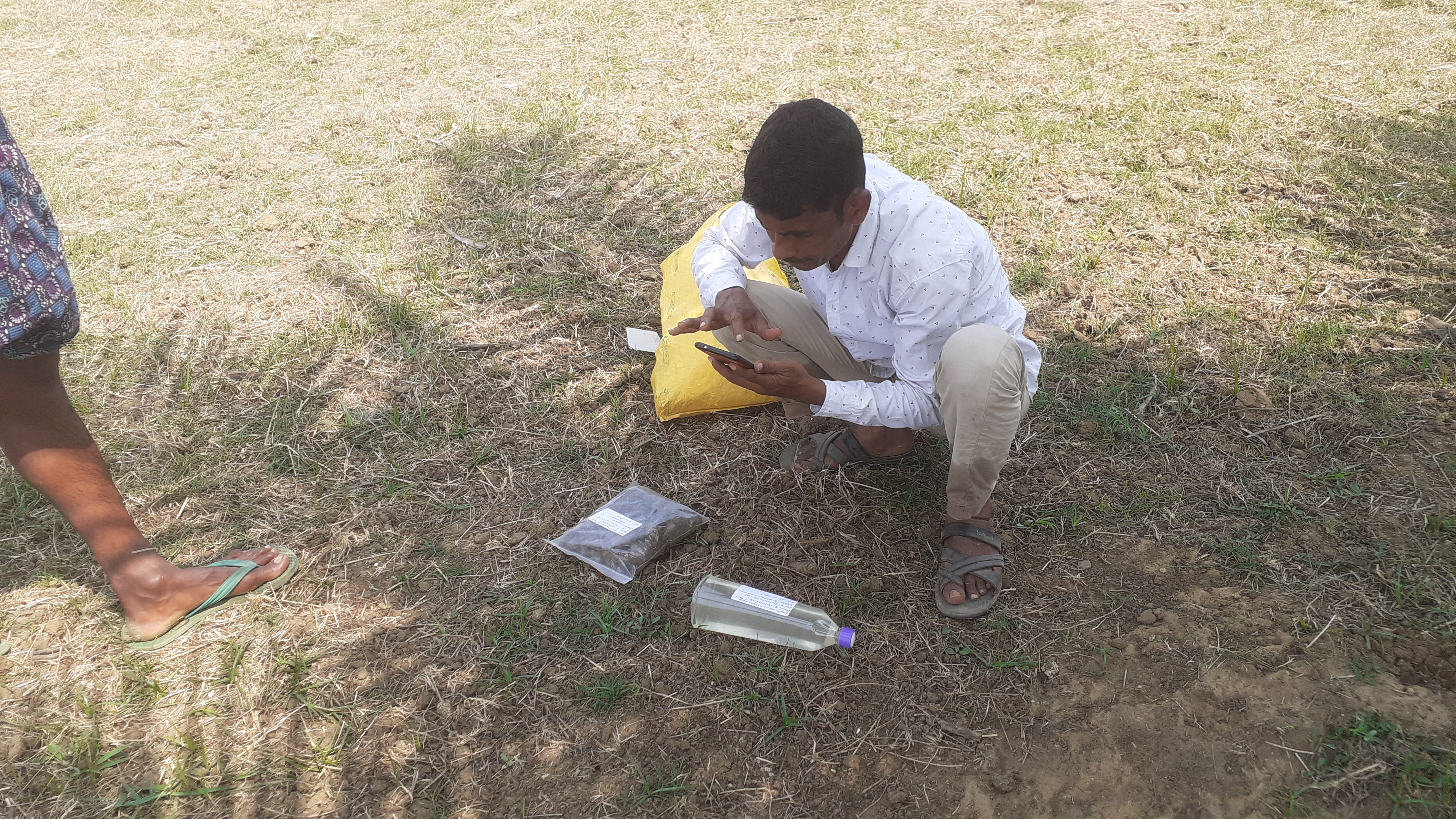
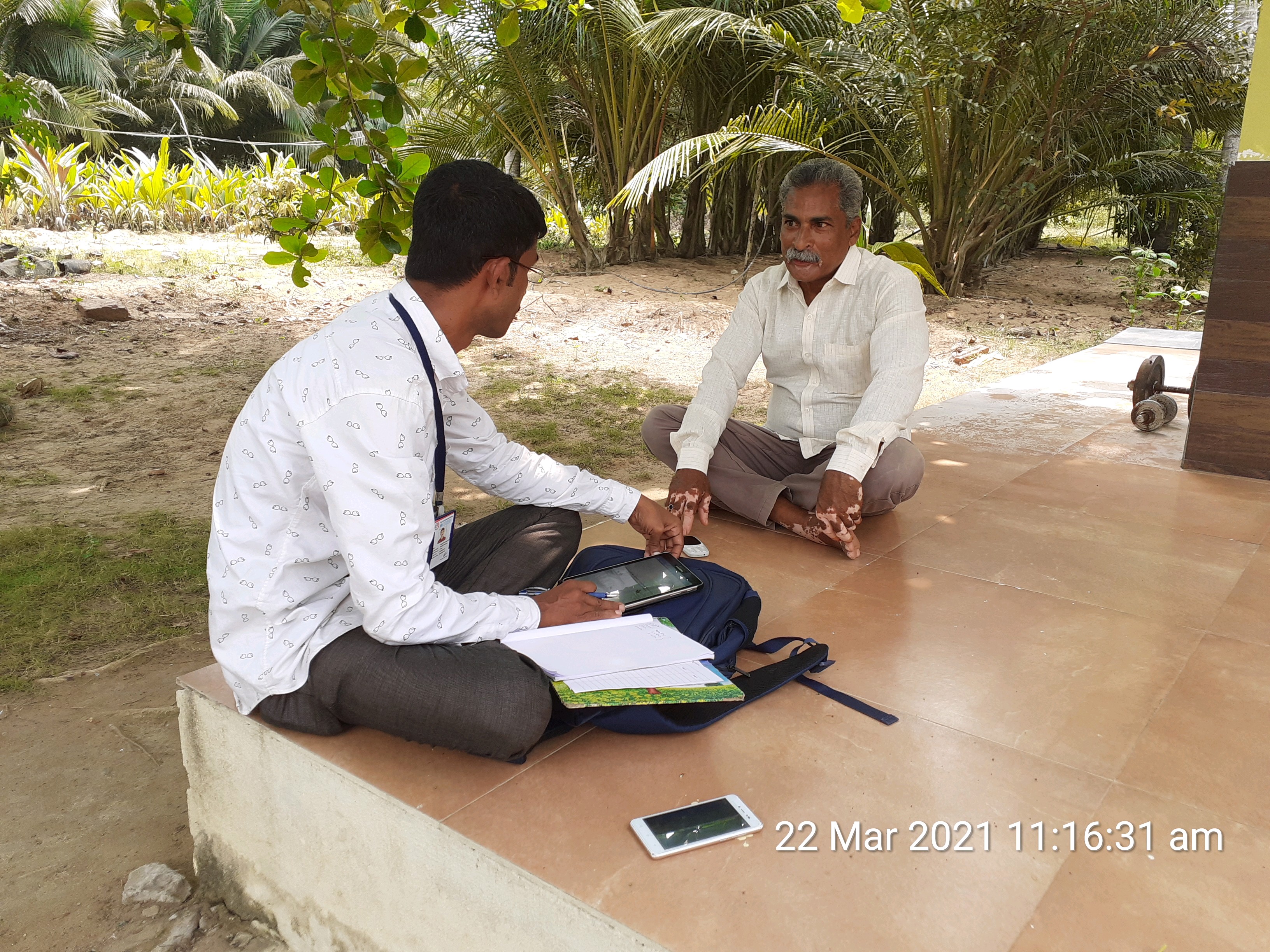
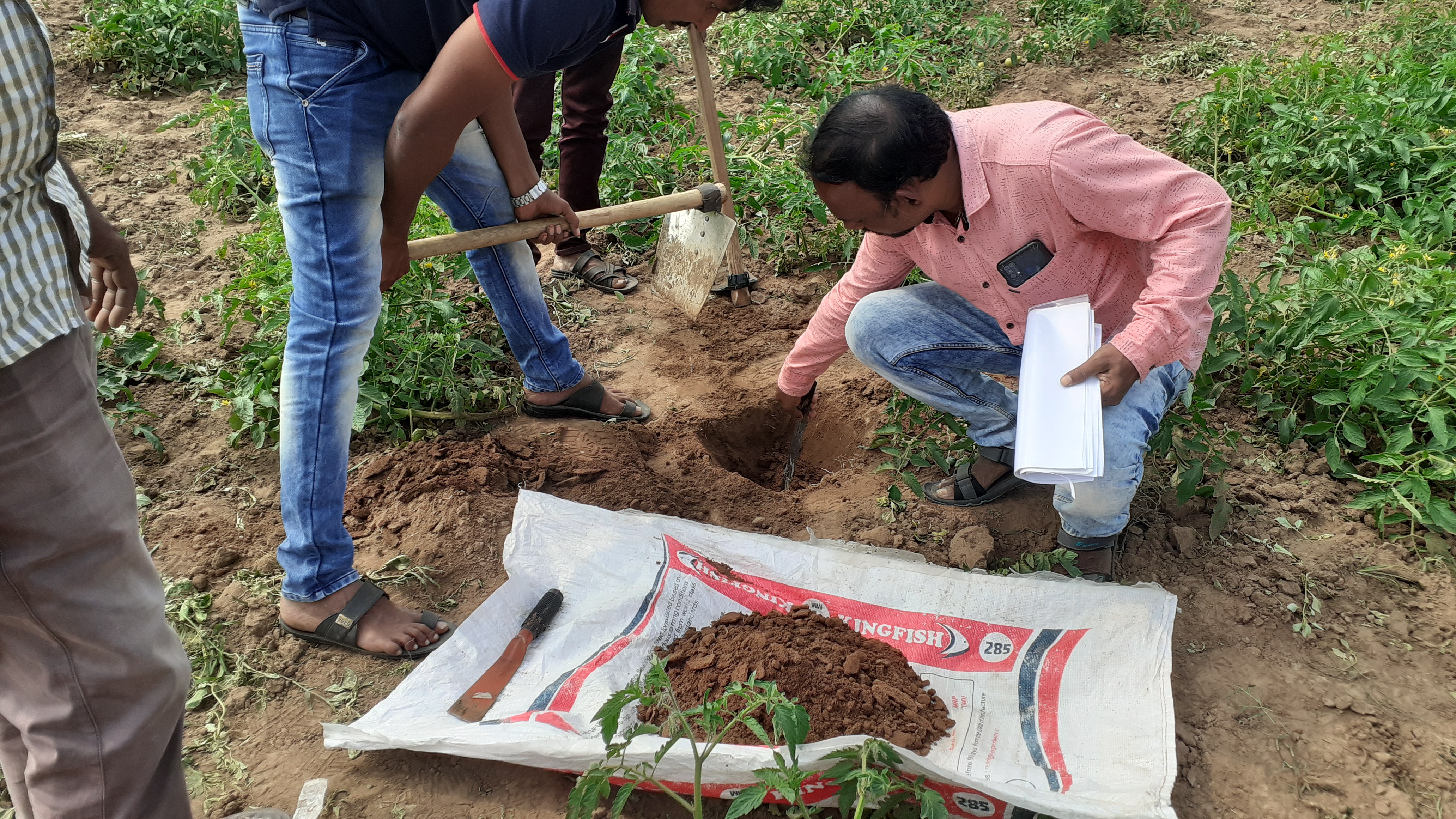
Three distinct but interrelated pieces of work were carried out in Visakhapatnam and Anakapalli districts in Andhra Pradesh and Sonipat district in Haryana, India. These are:
- Comprehensive Food Systems Assessment Survey
- Farmer and Trader survey
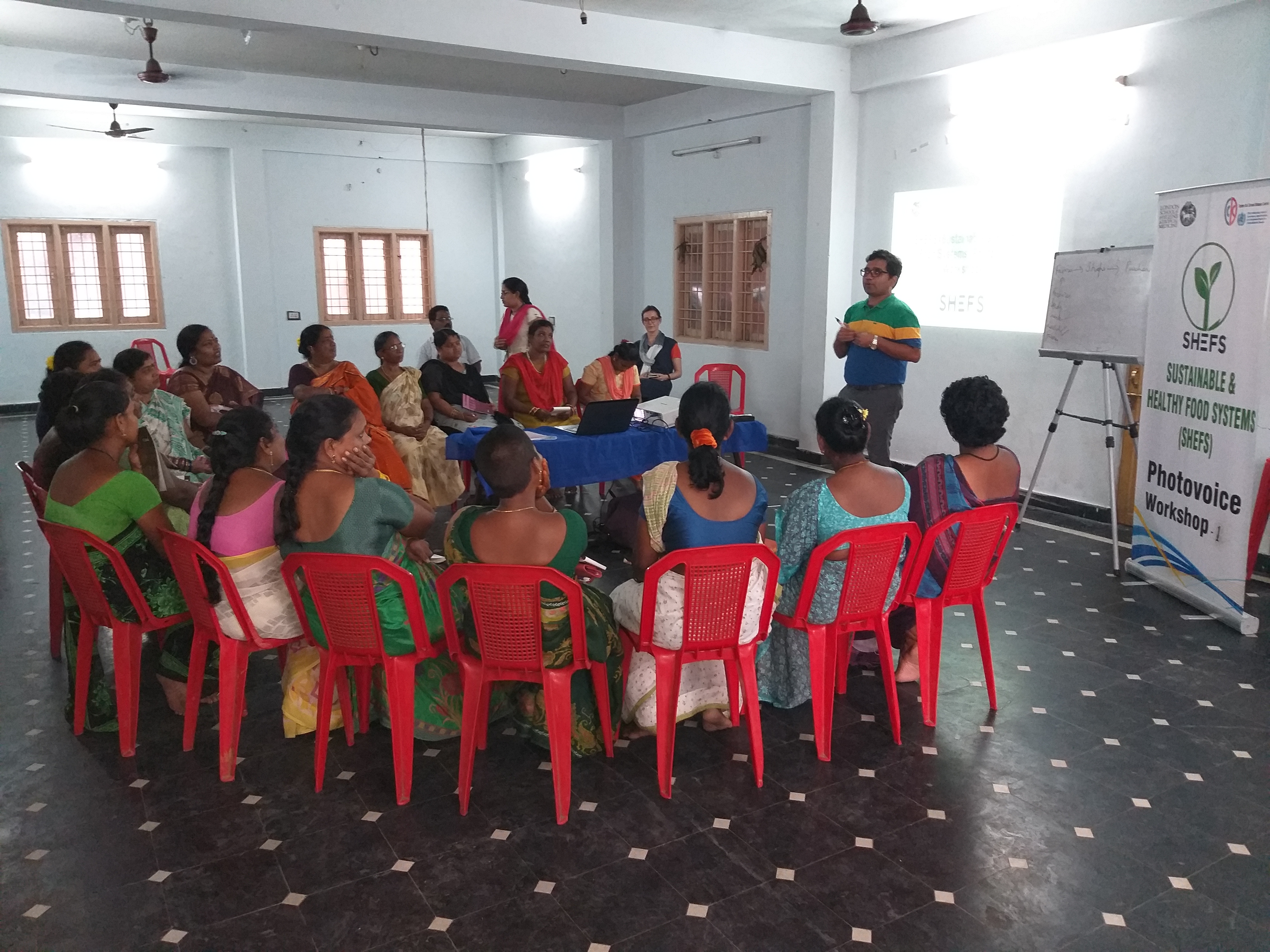
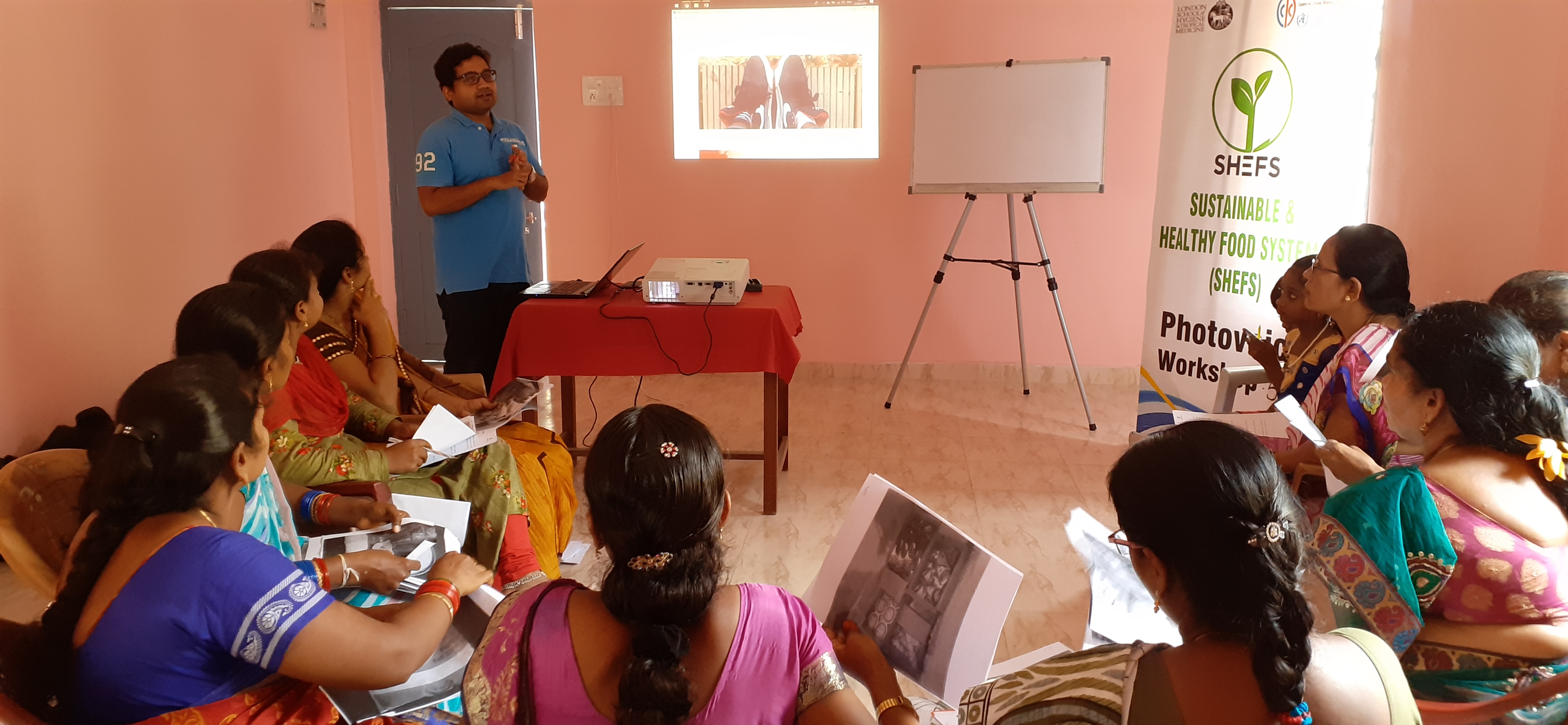
- Photovoice Workshops
While the food systems assessment and farmer and trader surveys helped characterize the food systems, the photovoice workshops assessed community perceptions regarding the transformation of certain food items from the farm to plate.